Table of Contents
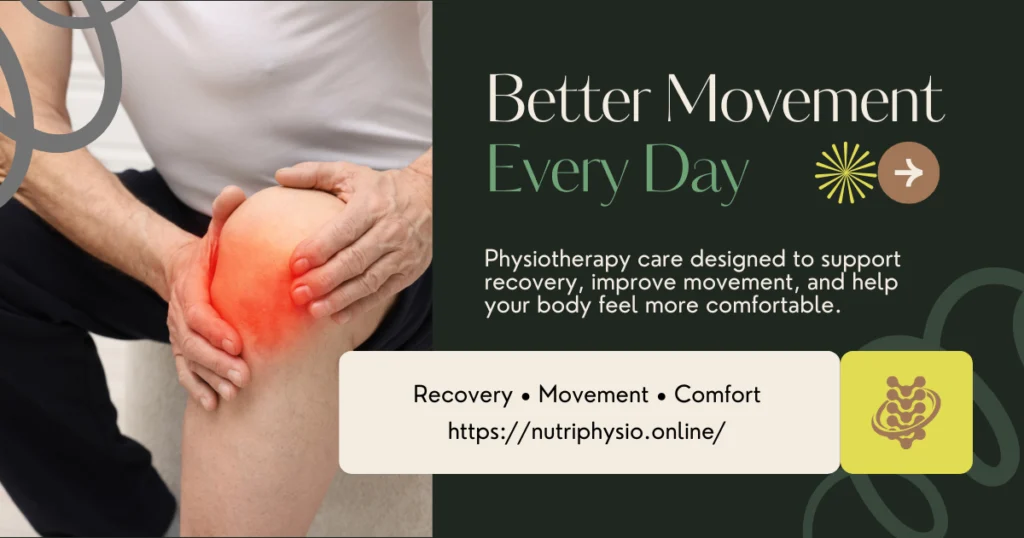
Knee pain is a common problem that can affect people of different ages. It may happen because of muscle weakness, overuse, an old injury, prolonged sitting, changes in activity levels, or conditions such as osteoarthritis. Even simple daily activities like walking, climbing stairs, sitting down, or getting up from a chair can become uncomfortable when the knees are painful.
The good news is that appropriate movement and exercise can often help support knee strength, flexibility, and mobility. You do not always need complicated equipment to get started. Several simple exercises can be performed at home with little or no equipment. Best Exercises for Knee Pain at Home
However, the right exercise depends on the reason for your knee pain. If an exercise causes sharp or increasing pain, stop and seek professional advice.
Why Does Knee Pain Happen?
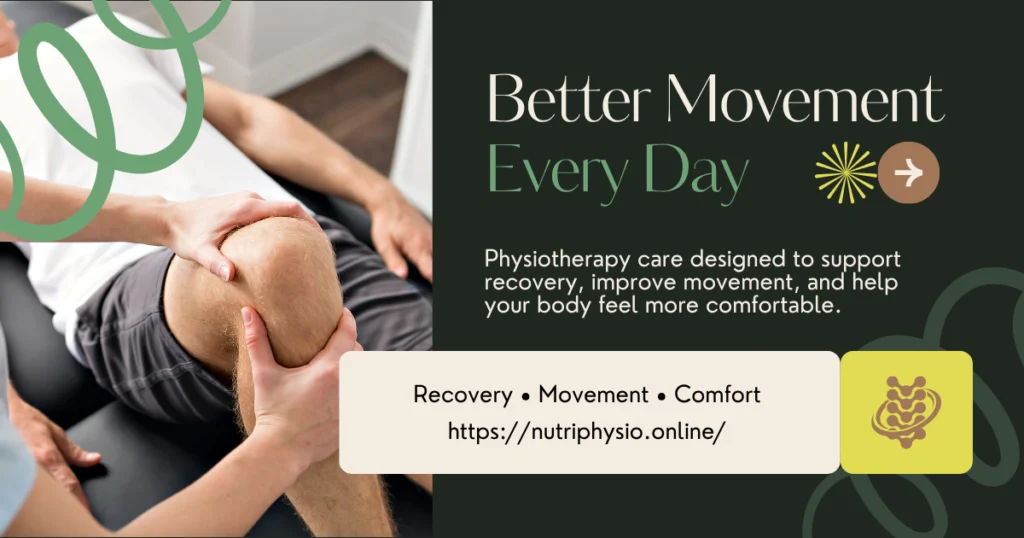
Knee pain can have many different causes. Some people develop pain after an injury, while others notice it gradually over time.
Common reasons for knee pain include:
- Muscle weakness around the knee
- Tight muscles
- Excessive physical activity
- Poor movement patterns
- Previous knee injuries
- Osteoarthritis
- Being overweight
- Long periods of sitting or inactivity
The muscles around the hips, thighs, and legs play an important role in supporting the knee. Strengthening these muscles may help improve movement and reduce the amount of stress placed on the knee during everyday activities.
Can Exercise Help Knee Pain?
Exercise can be helpful for many people with knee discomfort. Gentle strengthening and stretching exercises may improve muscle strength, flexibility, balance, and overall movement.
The important point is to start gradually. You do not need to perform a large number of exercises or complete a difficult workout. Consistency is often more useful than doing too much at once. Best Exercises for Knee Pain at Home
If you have severe pain, swelling, a recent injury, or difficulty putting weight on your leg, it is better to get medical advice before starting exercises.
10 Best Exercises for Knee Pain at Home
1. Straight Leg Raise
The straight leg raise is a simple exercise that targets the muscles at the front of the thigh.
How to do it:
- Lie on your back with one knee bent and the other leg straight.
- Tighten the thigh muscle of the straight leg.
- Slowly raise the straight leg until it is roughly level with the opposite knee.
- Hold for a few seconds.
- Slowly lower the leg.
- Repeat on the other side.
Start with a comfortable number of repetitions rather than forcing the movement.
2. Knee-to-Chest Stretch
This gentle movement can help improve flexibility around the hip and leg.
How to do it:
- Lie comfortably on your back.
- Slowly bring one knee toward your chest.
- Hold the position gently for a few seconds.
- Return the leg to its starting position.
- Repeat with the other leg.
Do not pull the knee forcefully toward your chest.
3. Hamstring Stretch
Tight hamstrings can affect the way your legs move. A gentle hamstring stretch can help maintain flexibility. Best Exercises for Knee Pain at Home
How to do it:
- Sit on the edge of a chair.
- Extend one leg forward with the heel touching the floor.
- Keep your back relatively straight.
- Lean forward slightly from your hips.
- You should feel a gentle stretch behind your thigh.
- Hold and then relax. Best Exercises for Knee Pain at Home
Avoid bouncing while stretching.
4. Calf Stretch
The calf muscles also contribute to normal leg movement and walking. Best Exercises for Knee Pain at Home
How to do it:
- Stand facing a wall.
- Place both hands against the wall.
- Step one foot backward.
- Keep the back heel on the floor.
- Gently bend the front knee.
- Hold the stretch and then switch sides.
The stretch should feel comfortable rather than painful. Best Exercises for Knee Pain at Home
5. Seated Knee Extension
This is an easy exercise that can be performed while sitting on a chair.
How to do it:
- Sit upright on a chair.
- Keep both feet on the floor.
- Slowly straighten one knee.
- Hold the leg briefly.
- Slowly lower your foot.
- Repeat with the other leg.
This exercise can be useful for people who find standing exercises difficult. Best Exercises for Knee Pain at Home
6. Glute Bridge
The glute bridge strengthens the muscles around the hips and buttocks, which are important for lower-body movement. Best Exercises for Knee Pain at Home
How to do it:
- Lie on your back with your knees bent.
- Keep your feet comfortably apart.
- Tighten your abdominal and buttock muscles.
- Slowly lift your hips from the floor.
- Hold briefly.
- Lower your hips slowly.
Keep the movement controlled and avoid arching your back excessively.
7. Sit-to-Stand Exercise
Getting up from a chair is a useful everyday movement and can also help strengthen the legs.
How to do it:
- Sit on a stable chair.
- Keep your feet flat on the floor.
- Lean forward slightly.
- Push through your feet and stand up.
- Slowly sit back down.
- Repeat at a comfortable pace.
Use your hands for support if needed, especially when you are starting.
8. Mini Squats
Mini squats can help strengthen the muscles that support the knee.
How to do it:
- Stand behind a sturdy chair for support.
- Keep your feet about hip-width apart.
- Slowly bend your knees slightly.
- Keep your chest upright.
- Return to the standing position.
- Repeat slowly.
You do not need to squat deeply. A small, comfortable movement is enough when beginning.
Knee Pain Relief Exercises: 10 Physiotherapy Tips
9. Heel Raises
Heel raises strengthen the calf muscles and can support lower-leg function.
How to do it:
- Stand behind a chair or near a wall.
- Hold the support for balance.
- Slowly raise your heels so you are standing on your toes.
- Pause briefly.
- Slowly lower your heels.
- Repeat.
Keep your movements controlled.
10. Gentle Walking
Walking is one of the simplest ways to keep your legs moving.
If walking does not increase your knee pain, start with a short, comfortable walk and gradually increase the duration as your body adapts.
You can also break your walking into shorter periods during the day instead of trying to complete one long session.
If Your Knees Hurt… Do These 4 Exercises For 30 Days
Tips for Exercising With Knee Pain
If you are exercising with knee discomfort, keep the following points in mind:
- Start slowly and increase activity gradually.
- Warm up before strengthening exercises.
- Focus on controlled movements.
- Avoid exercises that cause sharp or severe pain.
- Give your body enough time to recover.
- Wear comfortable and supportive footwear.
- Do not suddenly increase your exercise intensity.
- Stay consistent rather than exercising heavily once in a while.
Mild muscle tiredness can be normal when starting a new exercise routine. However, significant or worsening pain should not be ignored.
When Should You Get Medical Advice?
Not every type of knee pain should be managed with home exercises alone.
Consider getting medical advice if your knee pain is severe, persistent, or getting worse. You should also seek appropriate medical attention after a significant injury, particularly if you cannot put weight on the leg, the knee becomes very swollen, or the joint appears deformed.
A healthcare professional can help identify the possible cause of your knee pain and determine which exercises are appropriate for you.
Final Thoughts
The best exercises for knee pain at home are usually simple movements that gradually improve strength, flexibility, and mobility. Exercises such as straight leg raises, hamstring stretches, calf stretches, sit-to-stand movements, mini squats, and gentle walking can be included in a suitable routine.
The key is to listen to your body and progress gradually. Exercise should support movement, not make your symptoms significantly worse.
If you have ongoing or unexplained knee pain, consider speaking with a qualified healthcare professional before starting a new exercise program. The right approach depends on the cause of the pain, your current fitness level, and your individual needs.
Nutriphysio aims to provide general health and physiotherapy information to help readers understand common movement and exercise topics. This article is for educational purposes and is not a substitute for individual medical assessment or treatment.